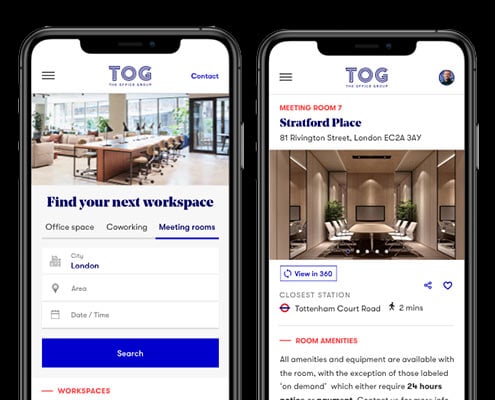
TOG Virtual viewings A/B test
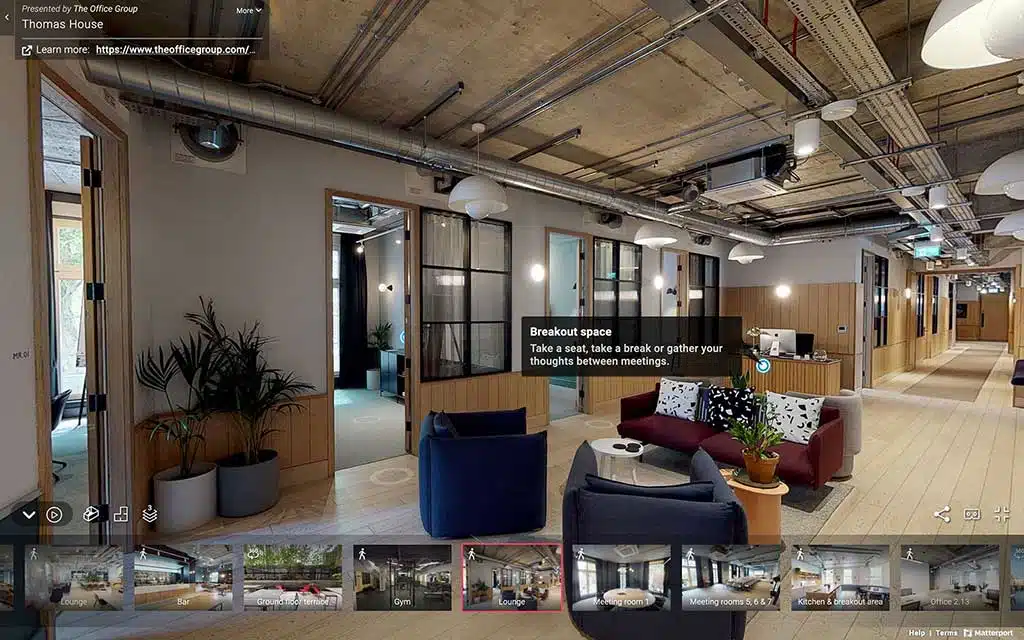
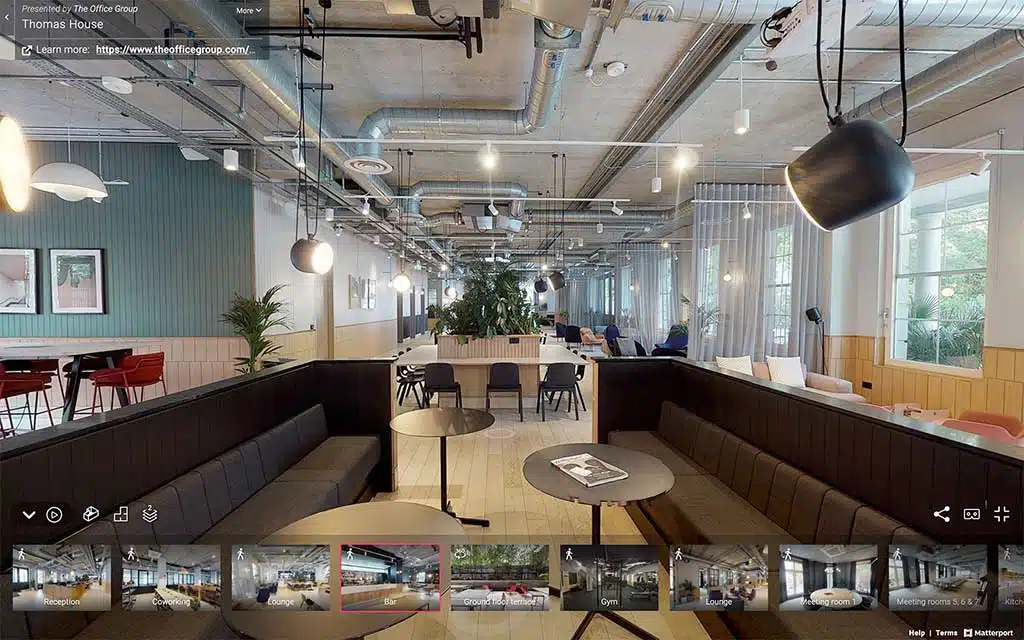
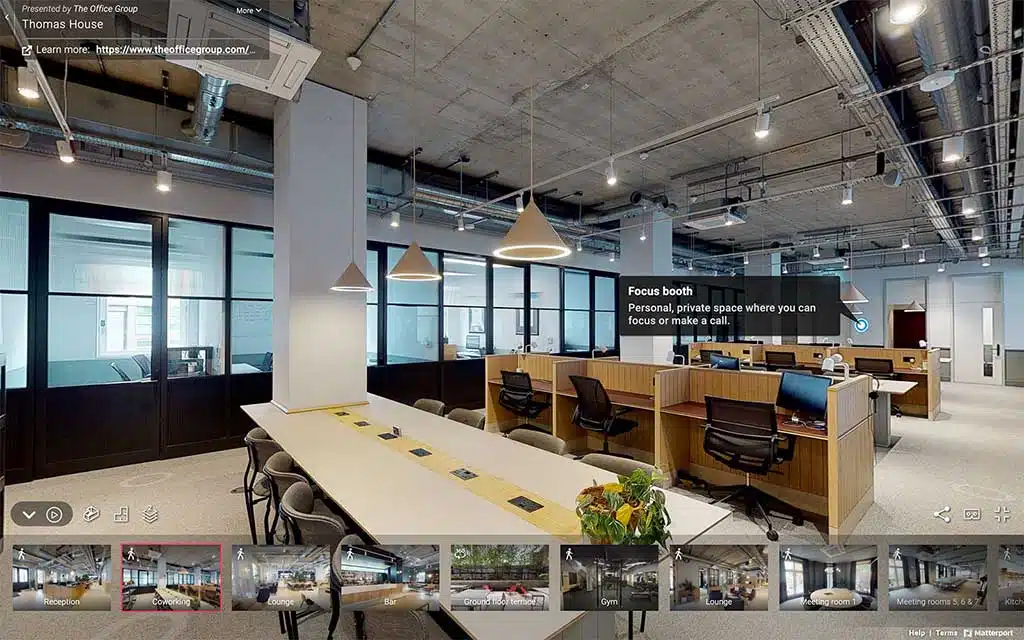
In this case study, we will delve into a project that aimed to boost user engagement by introducing virtual viewings for The Office Group (TOG) spaces. Virtual tours have become a powerful tool for enabling business leaders to evaluate TOG spaces remotely, offering a comparable experience to physically visiting a location.
The problem
TOG recognised the need to provide potential customers with a way to experience their office spaces without the necessity of physical visits, especially during challenging times such as COVID-19. They sought to understand if virtual viewings could effectively meet this demand and drive conversions.
My role
As a Head of UX at TOG, I conducted user research that indicated a positive response to virtual viewings. To validate these findings and measure engagement and conversion rates, I collaborated with the Head of Creative to commission the shooting of virtual tours for two iconic TOG buildings: Thomas House and One Canada Square.
The A/B test plan
Our test hypothesis was that offering online VR functionality to allow prospects to virtually visit the buildings would increase conversions (e.g., “Get in touch” or “Book a viewing”) and generate more interest in TOG, as measured by average page/session time. We executed an A/B test with the following variants:
- Control: Regular page with no virtual tour
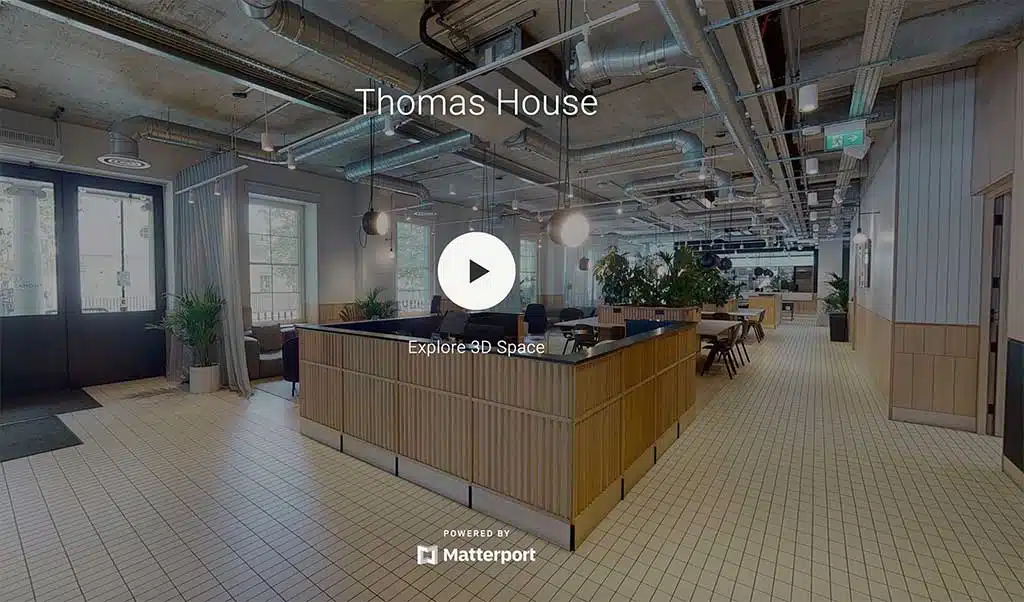
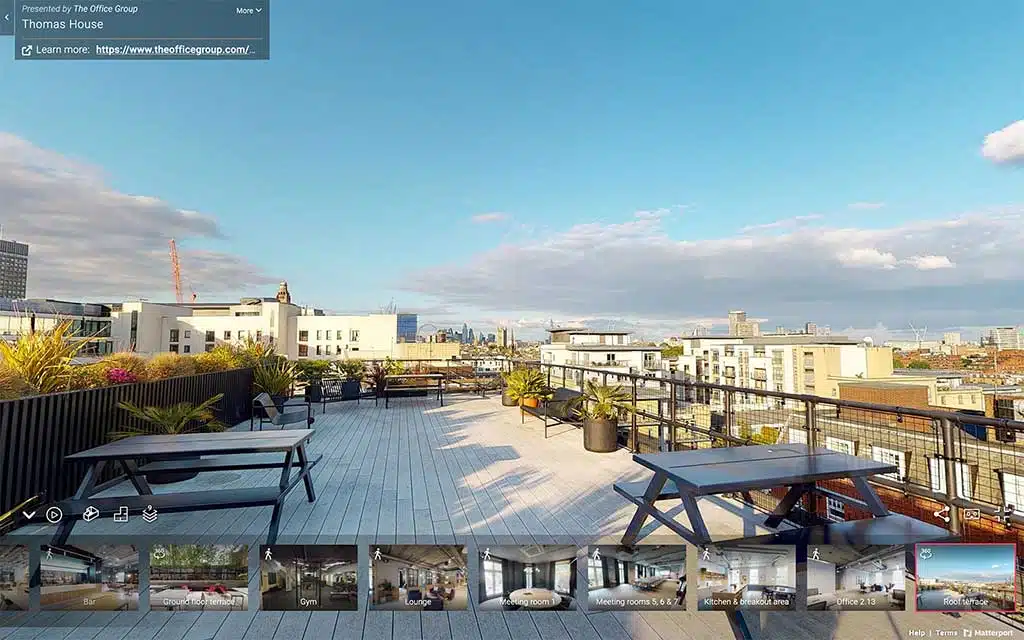
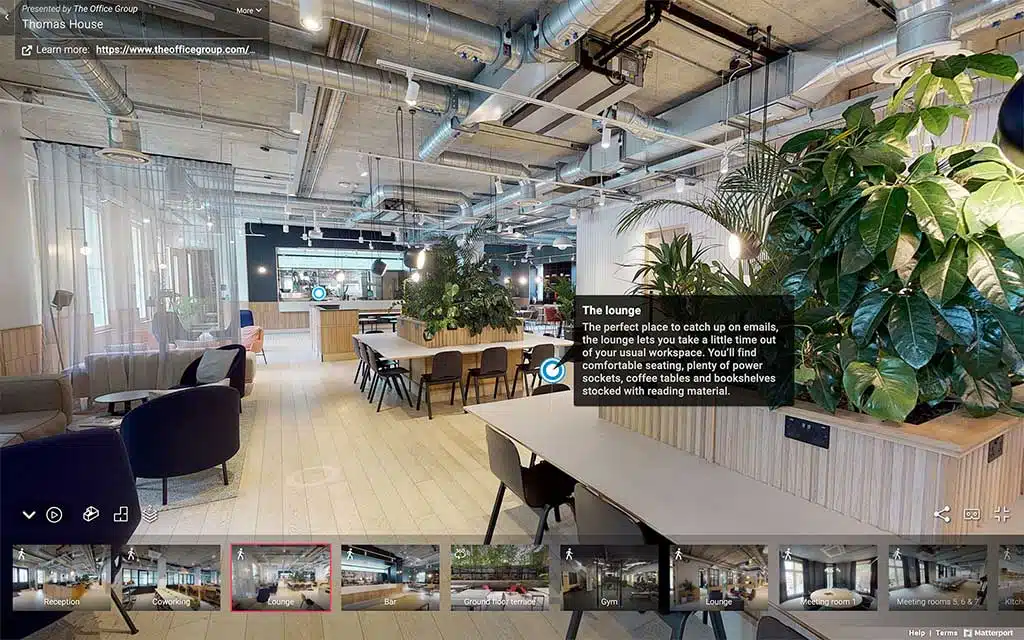
- Variant: Virtual tour button in the page hero and a full-width VR player halfway down the page near the building photo grid
The total traffic to Thomas House and One Canada Square was equally split between the two variants, across all devices. The test ran for approximately two weeks until statistical significance was reached.

The metrics
The key metrics we observed to elect a winner were:
- Conversions – Goal 3: Get in touch
- Conversions – Goal 15: Book a viewing
- Engagement – Avg. time on page/session
- Bounce rate
Engagement / bounce rate results

Conversion rate results – Confidential

A look behind the scenes
Creating precise and visually appealing virtual tours involves a meticulous process that TOG’s Creative team continually refines. Initially, scanning entire floors resulted in overwhelming images of desks or hallways. The team shifted to a more focused approach, collaborating with members, sales, and operations to capture unique features like artwork, conference room setups, collaborative spaces, and outdoor terraces.
The technology used is the Matterport scanner, which captures highly detailed images of workspaces. An average floor requires 100 to 300 scans to create a full 3D view, with each scan manually performed with the assistance of a tripod. Scanning takes place during daylight hours to showcase spaces in optimal conditions, with utmost respect for members’ privacy, avoiding scanning the insides of offices, and automatic face blurring.

It’s similar to taking a panorama photo on your smartphone, just on a much larger scale. An average floor in a building takes anywhere between 100 to 300 individual scans to capture a full 3D view. Each scan is created by picking up and moving the tripod.
We bring the Matterport scanner into offices during the day so we can capture a space in daylight. This requires coordination with community and construction teams to ensure we’re not interrupting people during working hours. We take extreme care to respect members’ privacy. We don’t scan the insides of offices. And the Matterport technology automatically blurs out faces.
Conclusion
Offering virtual tours has empowered TOG to provide convenience and confidence to businesses seeking workspace solutions. The TOG UX team continues to leverage technology to simplify the process for TOG members as they explore options to grow their businesses.
Want to know more?
If you’d like to find out more about my work and experience, or to discuss potential projects, please get in touch!